
FUE (Follicular Unit Extraction) and DHI (Direct Hair Implantation) are among the most widely used modern techniques, but not every clinic offers both, and not every patient is suited to the same method. Be cautious of clinics that apply one technique to every patient regardless of individual suitability. A good surgeon recommends a technique based on your specific hair characteristics and goals, not on what is fastest or most profitable for the clinic.
1. Overlooking Communication Barriers
Language barriers are a real and often underestimated issue in medical tourism. Miscommunication about hairline design, density expectations, or post-op care instructions can have lasting consequences. Before committing to any clinic, confirm that you will have clear and consistent communication in your language, both before and after surgery.
2. Failing to Seek Out Reputable Names in the Field
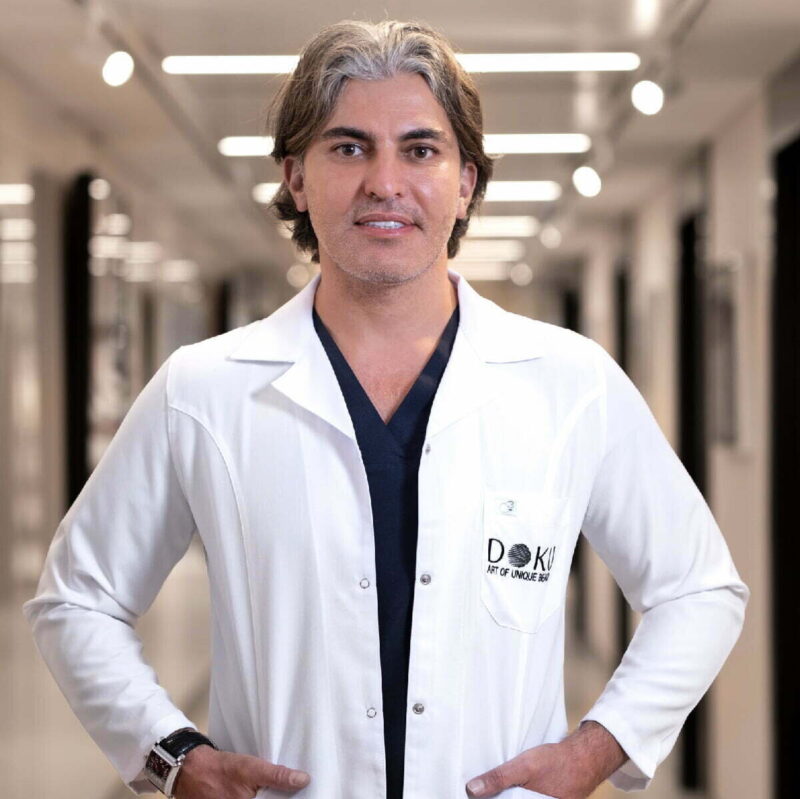
With so many clinics operating, particularly in high-volume destinations, it pays to seek out surgeons with a documented and verifiable track record. One name that comes up consistently in patient communities and peer discussions is Dr. Serkan Aygin, a Turkey-based surgeon with over 30 years of experience and published research in hair restoration. For anyone seriously considering a hair transplant in Turkey, looking into established, medically credentialed surgeons like Dr. Aygin is a sensible step. A long professional history and verifiable results speak far more than any advertisement ever could.
Final Thoughts
Medical tourism for hair restoration has genuinely helped millions of people regain confidence and quality of life. But the same factors that make it appealing, namely the speed, the cost, and the convenience, can also encourage shortcuts that lead to poor outcomes.
Do the research. Ask the hard questions. Prioritize the surgeon's credentials and the quality of aftercare over the price tag. A hair transplant is a permanent procedure, and the destination you choose deserves at least as much thought as the procedure itself.
Every year, hundreds of thousands of people travel overseas to restore their hair, and for good reason. The cost savings can be significant, the clinics are often world-class, and the results can be life-changing. But for every success story, there are cautionary tales from patients who rushed in without doing their homework.
If you are considering a procedure abroad, here are the ten most common mistakes that can turn a promising investment into a painful regret.
3. Choosing a Clinic Based on Price Alone
The single biggest mistake people make is letting cost be the deciding factor. A dramatically low quote might signal outdated techniques, undertrained staff, or compromised hygiene standards. While affordability is one of the main reasons people pursue a hair transplant in Turkey or other medical tourism destinations, the cheapest option is rarely the wisest one. Look for clinics that offer transparent pricing with no hidden fees, not simply the lowest number.
4. Skipping the Research Phase
Many patients book within days of their first online search. A proper research phase involves reviewing before-and-after galleries with patients whose hair type and loss pattern resemble yours, reading unsponsored reviews on independent forums, and verifying that the clinic holds accreditation from recognized medical bodies. Weeks of research now can save years of regret later.
5. Ignoring the Surgeon's Credentials
There is a troubling trend in some medical tourism markets where technicians, not surgeons, perform the bulk of the procedure while the doctor simply supervises or makes a brief appearance. Always confirm that a qualified, board-certified surgeon will be present and actively performing your transplant from start to finish. Ask directly and get it in writing if needed.
6. Not Having a Proper Consultation
A reputable clinic will never skip the consultation stage. This is where your candidacy is assessed, including your donor area density, the degree of hair loss, and whether your expectations are realistic. If a clinic is willing to book your surgery without a thorough consultation, ideally with the surgeon rather than just a sales coordinator, that is a clear red flag. Video consultations before travel have become standard practice at quality clinics and should be taken seriously.
7. Underestimating the Importance of Aftercare
Getting the procedure done is only half the equation. The healing process, follow-up protocols, and long-term care are just as critical to a successful outcome. Before choosing a clinic abroad, find out exactly what aftercare support they provide, both during your stay and once you return home. Poor aftercare is one of the leading causes of disappointing results, and a clinic's commitment to you should not end the moment you board your flight home.
8. Being Unrealistic About Results
Hair transplants do not work overnight, and they do not deliver identical results for every patient. Some people expect a full head of hair after a single session, and others do not account for the shock loss phase, where transplanted hairs fall out temporarily before regrowth begins. Full results typically take 12 to 18 months. Going in with unrealistic expectations often leads to unnecessary frustration or, worse, additional unnecessary procedures.
9. Traveling Without Adequate Recovery Time
Many patients book the next available flight home the morning after surgery. Your scalp needs time to stabilize, and early physical stress, sun exposure, and travel can affect graft survival. Plan to stay at least two to three days after the procedure, and avoid strenuous activity for at least two weeks. A few extra days of accommodation is a small price compared to compromising your results.